
Occupational Therapy Assistants in Home Health

April is Occupational Therapy Month, a time dedicated to recognizing the impact, dedication, and expertise of occupational therapy professionals across all settings. It is also an opportunity to highlight the essential contributions of Certified Occupational Therapy Assistants (COTAs), who play a critical role in helping patients regain independence, rebuild daily living skills, and improve overall quality of life.
While Occupational Therapists (OTs) design evaluation plans and establish treatment goals, COTAs are often the professionals who bring those plans to life through consistent, hands-on care.
The Role of the COTA in Patient Care
COTAs work under the supervision of OTs to implement individualized treatment plans that are tailored to each patient’s functional needs. This includes guiding patients through therapeutic exercises, assisting with activities of daily living (ADLs), supporting cognitive and physical rehabilitation, and adapting interventions based on patient progress.
In many cases, COTAs spend more direct time with patients than any other member of the team. This consistent interaction allows them to observe subtle changes, reinforce progress, and build strong therapeutic relationships that are essential for long-term success.
Their contributions are especially important in home health settings, where therapy is delivered in real-life environments. Unlike clinical settings, home health COTAs must adapt treatment strategies to the patient’s actual living conditions—helping them navigate kitchens, bathrooms, mobility barriers, and daily routines within their own space. This approach ensures therapy is not only effective but also practical and sustainable.
Building Trust and Encouraging Progress
One of the most powerful aspects of a COTA’s role is their ability to build trust with patients. Recovery is not only physical—it is also emotional and psychological. Patients often face frustration, fear, or discouragement during rehabilitation, and COTAs are frequently the professionals who provide reassurance, motivation, and consistency throughout the process.
Through encouragement, patience, and hands-on guidance, COTAs help patients push through challenges and celebrate incremental progress. Whether it is assisting a stroke patient in regaining the ability to dress independently or supporting an elderly patient in improving balance and safety, the impact of their work is both immediate and life-changing.

Adaptability and Clinical Insight
COTAs must be highly adaptable. No two patients are the same, and treatment plans often need to be adjusted in real time based on patient response, energy levels, or environmental limitations. This requires strong clinical judgment, communication skills, and the ability to collaborate effectively with supervising OTs and other healthcare professionals.
Their feedback is also essential in shaping ongoing treatment plans. Because COTAs observe patients closely during sessions, they provide valuable insights that help OTs refine goals and adjust interventions for better outcomes. This collaborative relationship strengthens the overall quality of care.
The Importance of COTAs in Home Health
In home health specifically, the role of the COTA becomes even more significant. Patients are often recovering from surgery, illness, or injury, and require support in navigating their everyday environment safely. COTAs help bridge the gap between clinical rehabilitation and functional independence by addressing real-world challenges such as:
Safe mobility within the home
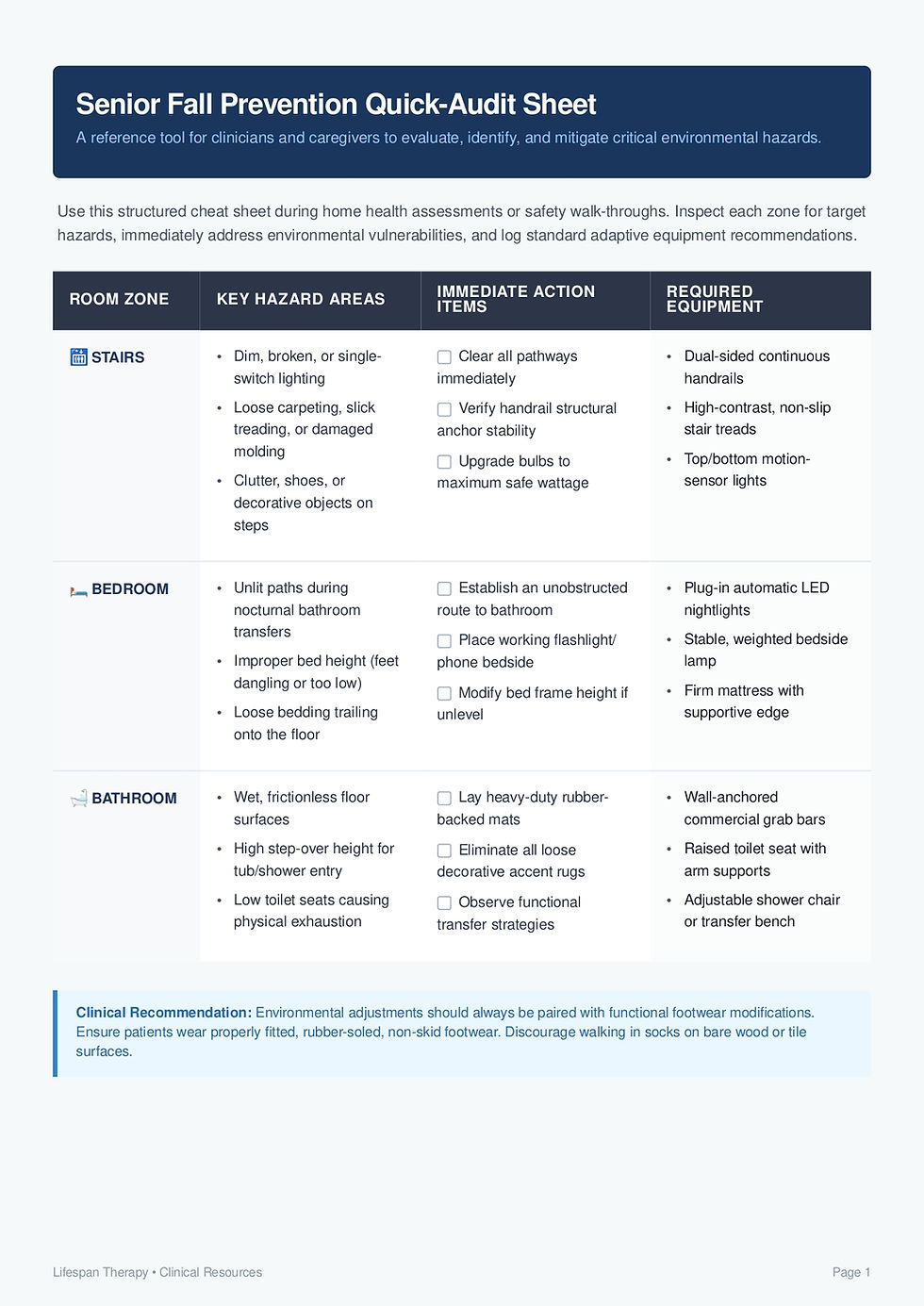
Fall prevention strategies
Energy conservation techniques
ADL training (bathing, dressing, grooming, meal preparation)
Cognitive and memory support in daily routines
By focusing on practical application, COTAs ensure that therapy translates into meaningful, long-term independence for patients.

Celebrating Our COTAs
At Lifespan, we recognize that the success of our patients is directly tied to the dedication and expertise of our clinical team, especially our COTAs! Their compassion, resilience, and commitment to patient-centered care make them an irreplaceable part of the rehabilitation process.
They are not only implementers of care plans but also motivators, educators, observers, and advocates for their patients. Their work often happens quietly and consistently, but its impact is profound and lasting.
This OT Month, we proudly celebrate our COTAs for the essential role they play in improving lives every day. Your work strengthens independence, restores dignity, and brings hope to the patients and families we serve.
Thank you for your dedication, your skill, and the heart you bring to every visit.
Interested in starting your journey as a COTA with Lifespan?


Comments