
A Day in the Life of a Home Health OT: Lifespan Edition

What does Occupational Therapy look like through the lens of our clinicians?
As Occupational Therapy Month comes to an end, we decided to ask our Occupational Therapists a simple question: What do you wish more people understood about what you do? Their answers shaped a deeper picture of what home health Occupational Therapy really looks like, beyond job descriptions and clinical definitions.
One clinician, with over 40 years of experience across acute care, rehabilitation, psychiatric settings, and home health, shared something that stood out:
I don’t feel people fully understand what Occupational Therapy really is.
Many people associate OT with basic daily tasks or exercises. But in reality, it goes far beyond that. It’s about treating the whole person and understanding their condition, their environment, and most importantly, what matters to them.
The term ‘occupation’ comes from the meaning of ‘to do.’ Therefore, we address whatever goals and interventions will best improve the individual’s ability to function and perform in what they need ‘to do’ in various aspects of their life that are meaningful and give them purpose.
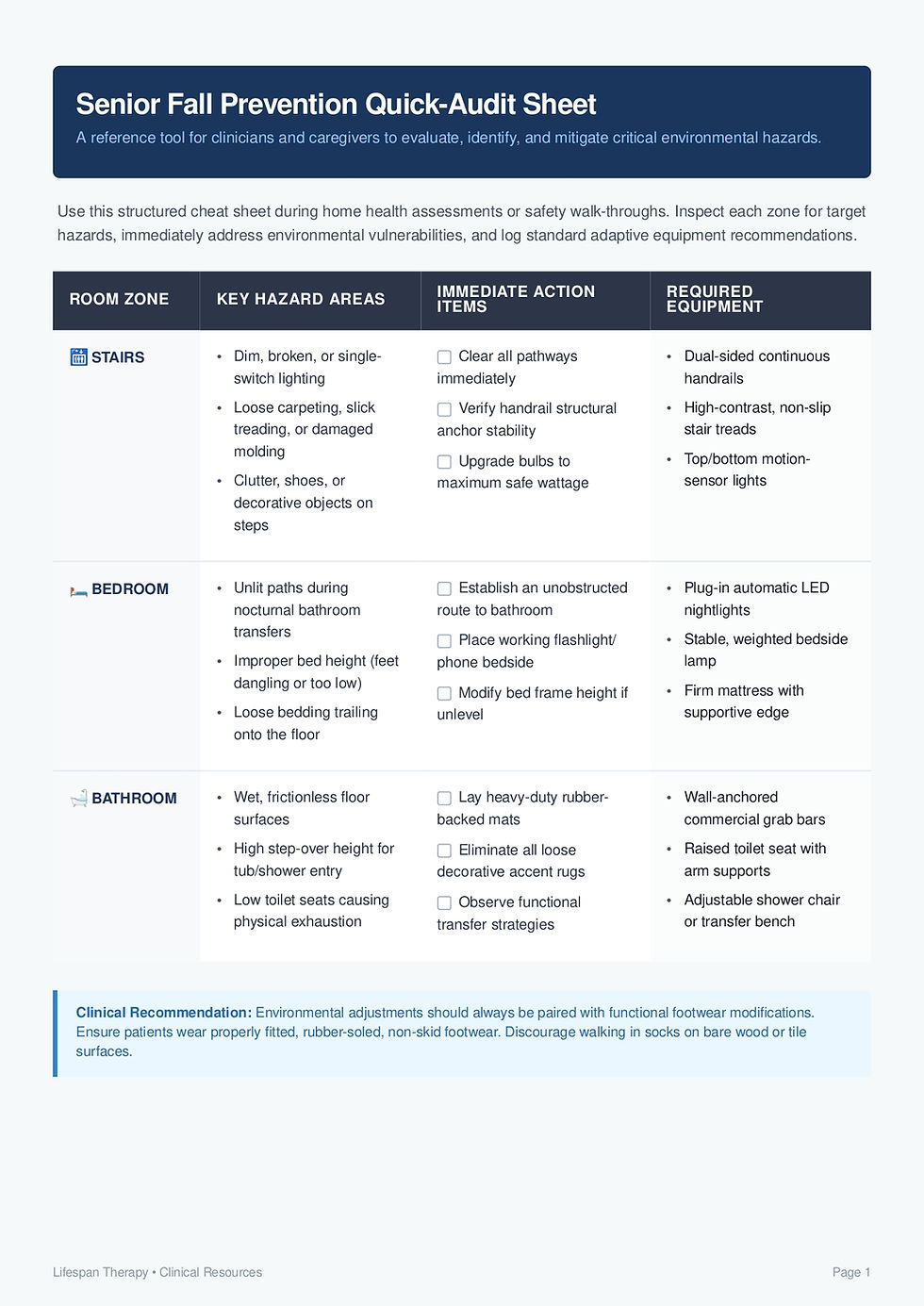
That philosophy comes to life in home health. A typical day might begin with reviewing patient cases and planning visits, but once inside the home, the approach shifts. The environment tells a story you can’t see in a clinic.
Every visit is different. It could mean helping a patient safely move through their space after a fall, adapting a kitchen so someone can prepare meals again, or working through the physical and cognitive challenges that make everyday tasks difficult.
And often, the smallest moments are the most meaningful.

A patient completing a routine independently, moving with more confidence, and regaining a sense of control. That’s the real impact of Occupational Therapy!
Our clinicians also emphasized that the work isn’t just physical, it’s deeply personal. It’s about restoring routines, rebuilding confidence, and helping patients reconnect with the parts of life that give them purpose.
Even documentation, coordination, and collaboration, all the behind-the-scenes work, serve that same goal: better outcomes for the patient.
Another point that came up consistently: no two homes, or patients, are the same.
Home health demands flexibility, creativity, and clinical judgment. It challenges OTs to think beyond textbook solutions and adapt in real time. But that’s also what makes it so rewarding.

At Lifespan, our Occupational Therapists bring years of experience, diverse backgrounds, and strong clinical insight, whereas we provide thorough training, educational resources, and 24\7 support. Lifespan has systems in place that aim to reduce unnecessary stress for our clinicians.
Because at its core, Occupational Therapy isn’t about routine work. It’s about helping people return to their lives—on their own terms, in their own spaces, doing the things that give them meaning.


Comments